
 by
by Financial independence is a desired goal for many people worldwide. It involves reaching a state where your passive income is sufficient to cover your expenses, and you are not reliant on a traditional job for financial stability. In order to achieve financial independence in record time, there are several key steps you can take.
1. Set Clear Financial Goals
The first step towards achieving financial independence is to set clear and specific goals. Determine the amount of money you need to accumulate in order to achieve your desired level of financial freedom. Break down your goals into smaller milestones and set a timeline for achieving them.
Setting clear financial goals provides you with a roadmap for your journey towards financial independence. It helps you stay focused and motivated, as you can track your progress and celebrate your achievements along the way.
2. Create a Budget and Stick to It
Developing a budget is crucial in managing your finances effectively. It allows you to track your income and expenses, identify areas where you can cut back and save more, and allocate a portion of your income towards investments and wealth-building activities.
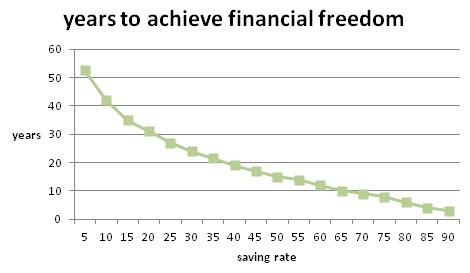
When creating a budget, ensure that your expenses are lower than your income. This will enable you to save and invest the difference, accelerating your path towards financial independence. Stick to your budget diligently, avoid unnecessary expenses, and prioritize saving and investing for your future.
3. Increase Your Income Streams
Relying solely on a single source of income can limit your financial growth. To expedite your journey towards financial independence, explore additional income streams. This could involve starting a side business, investing in stocks or real estate, taking on freelance work, or pursuing passive income streams such as rental properties or dividend-paying investments.
Diversifying your income sources not only increases your earning potential but also provides a safety net in case one income stream is affected. It allows you to leverage multiple opportunities and maximize your overall income, speeding up your progress towards financial independence.
4. Minimize Debt and Manage Credit
Debt can hinder your progress towards financial independence. It is essential to prioritize paying off high-interest debts, such as credit card debt or personal loans, as they can eat into your income and impede your ability to save and invest. Avoid unnecessary borrowing and use credit responsibly.
Managing your credit is equally important. Maintaining a good credit score opens up opportunities for better financial options, such as lower interest rates on loans or credit cards. Regularly review your credit report, pay your bills on time, and keep your credit utilization low to ensure a healthy credit profile.
5. Invest Wisely
Building wealth requires smart investing. Educate yourself about various investment options and develop a diversified investment portfolio. Consider investing in stocks, bonds, mutual funds, real estate, or other vehicles based on your risk tolerance and financial goals.
It is important to conduct thorough research and seek professional advice if needed. Regularly review and rebalance your portfolio to ensure it aligns with your goals and risk tolerance. Investing wisely can significantly boost your wealth accumulation and accelerate your journey towards financial independence.
6. Continuously Educate Yourself
The financial landscape is constantly evolving. To stay ahead and make informed financial decisions, it is crucial to continuously educate yourself. Attend seminars, workshops, or webinars, read books and articles, and follow reputable financial experts.
By staying updated with the latest trends, strategies, and investment opportunities, you can enhance your knowledge and make sound financial choices. This ongoing education empowers you to adapt to changing circumstances and optimize your path towards financial independence.
7. Practice Discipline and Patience
Achieving financial independence takes time and discipline. It requires making consistent efforts, sticking to your financial plan, and practicing patience. Avoid impulsive spending and resist the temptation to chase get-rich-quick schemes. Stay focused on your long-term goals and remain patient, knowing that each step you take brings you closer to financial freedom.
8. Regularly Review and Adjust Your Strategy
As you progress towards financial independence, periodically review your goals and financial strategy. Assess your progress, make necessary adjustments, and adapt your plans based on changes in your circumstances and market conditions.
Stay adaptable and flexible in your approach. Regularly monitoring and adjusting your strategy ensures that you stay on track to reach your objectives and make the most of emerging opportunities.
Conclusion
Achieving financial independence in record time requires a combination of strategic planning, disciplined execution, and continuous learning. By setting clear financial goals, creating a budget, diversifying your income streams, minimizing debt, investing wisely, educating yourself, practicing discipline, and regularly reviewing your strategy, you can significantly accelerate your progress towards financial independence.
Remember that the journey towards financial independence is unique to each individual, and it requires commitment and persistence. By following these steps and maintaining a focused mindset, you can embark on a path towards financial freedom and enjoy the benefits of a financially secure future.